
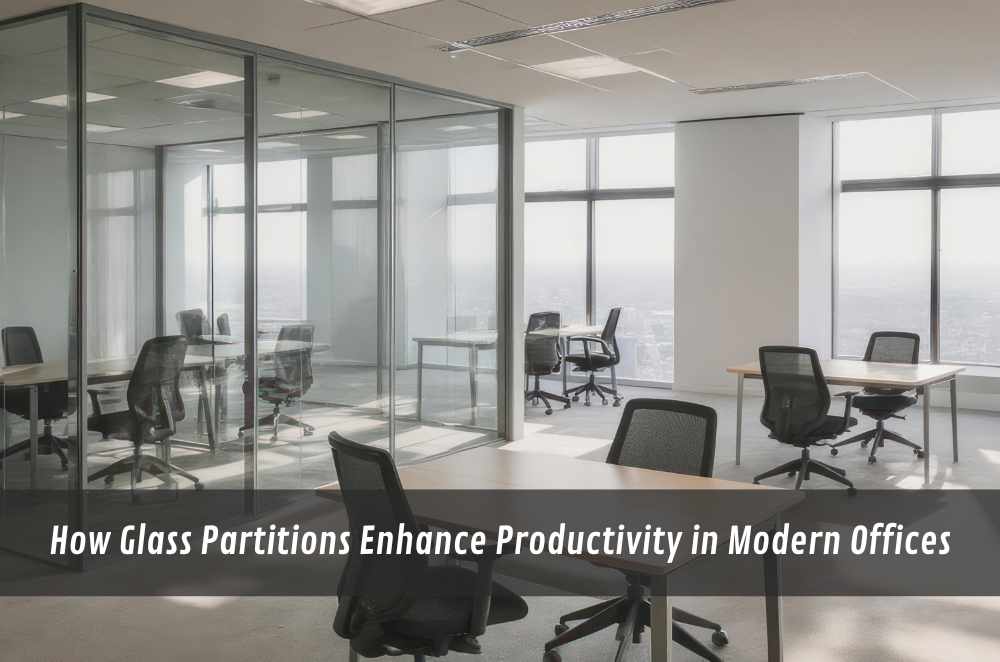
Glass wall dividers do more than split a room; they change how teams work, hear, and see one another. Natural light travels further, noise is managed, and floorplates feel bigger without a heavy build. When budgets and timelines tighten, modular glazing lets us move fast and stay precise. It’s why many workplaces prefer a clean, transparent line over another plasterboard box. Internal glass wall dividers are expertly handled by Intrinsic Glass. That’s the standard we’re aiming for: tidy detailing, durable hardware, and safety glass that lasts. Done well, glass provides privacy without hiding people and creates zones that flex as headcount and projects shift, without fuss or design compromise.
Quietly, there’s also a cultural shift. Teams want openness without the chaos of an echo chamber. Glass gives that middle ground: visibility, accountability, and the option to soften sound with laminates, seals, and innovative layouts. The old walls-and-doors model made sense when every desk was a silo; modern work swings between deep focus and quick huddles. Glazed partitions respect both. They’re reconfigurable, fast to install, and kinder to fit-out waste. And because they’re light on the eye, they’re heavy on brand: clean lines, tidy junctions, and hardware that signals care. When space needs to act larger than it is, glass earns its keep.
How do glass dividers improve work?
They lift light levels, reduce visual clutter, and support focused work without isolating people. In short, they make square metres work harder.
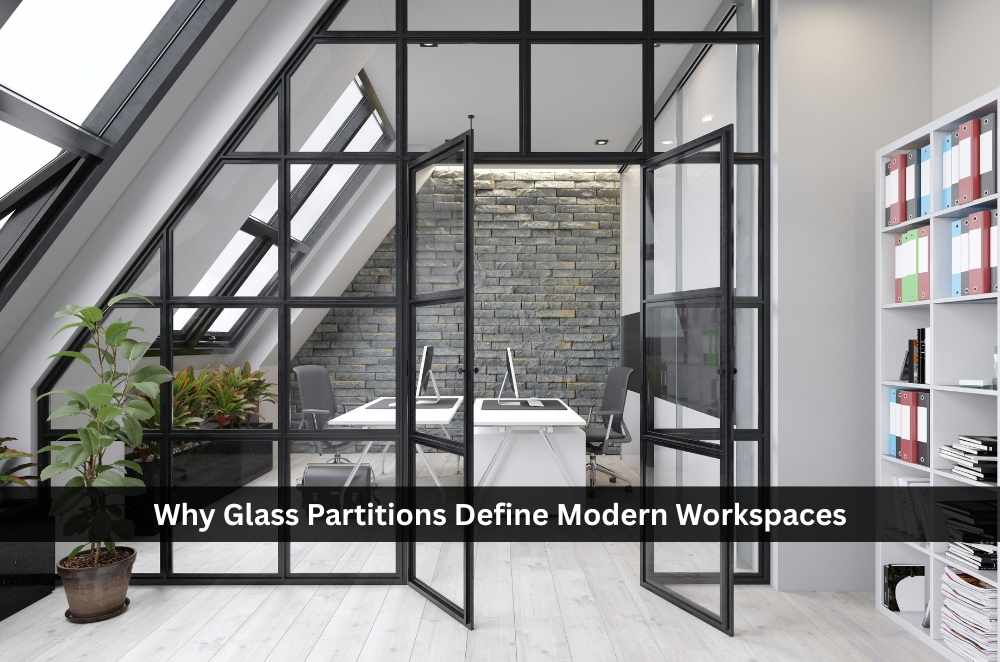
The real win is flow. Teams can signal availability, spot movement, and stay connected while conversations remain contained. With the right glazing spec, acoustic seals, and door furniture, meeting rooms feel private yet never boxy. For style, slim frames and clear sightlines fit most interiors—from heritage shells to crisp new builds. For context and trends shaping adoption, the frameless office partitions trend shows why minimal framing keeps spaces calm and modern. Add frosting where discretion matters, and your front-of-house still feels open.
• Laminate or acoustic IGUs dampen noise
• Narrow profiles keep lines tidy
• Reusable modules reduce waste
• Frosted bands maintain discretion
What should you consider before installing?
Start with purpose, then map circulation. The right system follows how teams move, meet, and focus—never the other way around.
Begin with the plan. Where do people gather? Which rooms need genuine hush, and which just need a visual break? Choose hardware that suits traffic: pivot, slider, or soft-close hinged doors. Think cable paths for screens and sensors, and allow ceiling tolerances for building movement. Fire and accessibility rules aren’t optional, so coordinate seals and clear widths early. If the base build is uneven (and many are), specify channels and head tracks that forgive small defects. It’s these details that keep glass feeling effortless months after handover.
• Map quiet zones versus collaboration areas
• Match door types to traffic flow
• Coordinate services early in design
• Specify seals for real-world acoustics
How do you keep glass performing over time?
Regular checks of seals, tracks, and fixings help maintain acoustic performance and day-to-day usability. Clean glass works harder, too—clarity is the point.
Set a simple care rhythm: inspect gaskets quarterly, tighten handles, and clear debris from sliders. Replace worn brush seals before they whistle, and refresh frosting if layouts change. When policy shifts—toward more hybrid, less desk density—reconfigure panels rather than rebuild walls. That flexibility is the dividend that the glass keeps paying—trends and adoption stories across flexible workplaces, the rise of glass dividers.






Write a comment ...